Posted by
admin on Oct 8, 2026 in
Latest News |
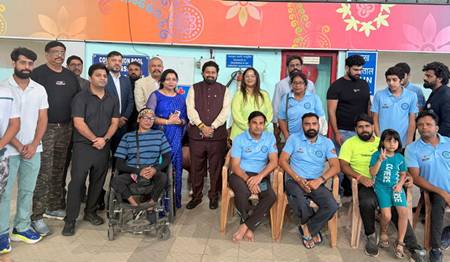
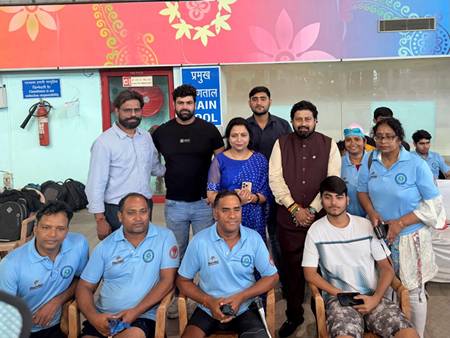
0 commentsनई दिल्ली, 8 अक्टूबर 2026:दिव्यांग पैरा स्पोर्ट्स एसोसिएशन ऑफ दिल्ली (DPSA), जो पैरालंपिक कमेटी ऑफ इंडिया से संबद्ध है, द्वारा रविवार को नई दिल्ली स्थित डॉ. श्यामा प्रसाद मुखर्जी स्विमिंग पूल कॉम्प्लेक्स, तालकटोरा स्टेडियम में 4th Delhi State Para Swimming Championship 2026 का आयोजन किया गया। इस चैंपियनशिप में विभिन्न श्रेणियों में 150 से अधिक दिव्यांग तैराकों ने प्रतिभाग किया और राज्य स्तरीय प्रतियोगिता में अपनी खेल प्रतिभा का प्रदर्शन किया।
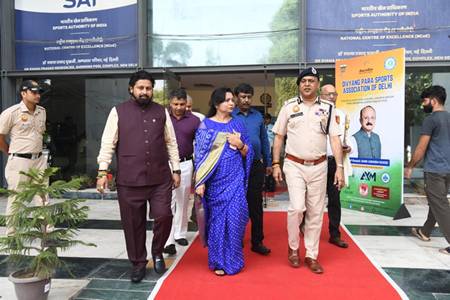
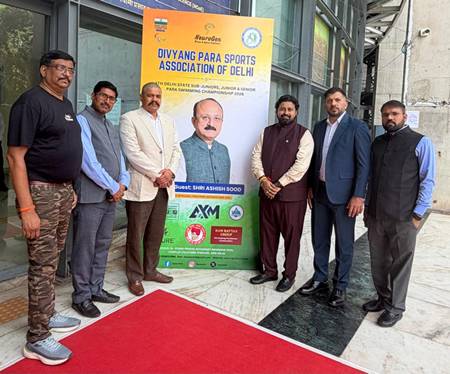
दिल्ली सरकार में गृह, विद्युत, शहरी विकास, शिक्षा, उच्च शिक्षा तथा प्रशिक्षण एवं तकनीकी शिक्षा मंत्री श्री आशीष सूद कार्यक्रम में मुख्य अतिथि के रूप में उपस्थित रहेi V. K. Dubey, सुप्रीम कोर्ट के वरिष्ठ अधिवक्ता एवं VKDL NPA Advisory Council के चेयरमैन, देवेश चंद्र श्रीवास्तव, IPS, विशेष पुलिस आयुक्त (कानून एवं व्यवस्था), तथा निहारिका भट्ट, IPS, DCP (उत्तर दिल्ली) विशिष्ट अतिथि के रूप में उपस्थित रहेi वरिष्ठ प्रशासनिक एवं पुलिस अधिकारियों की उपस्थिति ने पैरा खिलाड़ियों को अधिक अवसर, पहचान और सहयोग उपलब्ध कराने के महत्व को रेखांकित किया i
कार्यक्रम को संबोधित करते हुए श्री आशीष सूद ने कहा कि पैरा खिलाड़ी यह सिद्ध कर रहे हैं कि दृढ़ संकल्प, अनुशासन और कठिन परिश्रम के माध्यम से हर चुनौती का सामना किया जा सकता है।उन्होंने कहा कि दिल्ली सरकार एक मजबूत और समावेशी खेल व्यवस्था विकसित करने के लिए प्रतिबद्ध है, जिसमें प्रत्येक खिलाड़ी को प्रशिक्षण प्राप्त करने, प्रतियोगिताओं में भाग लेने और अपनी प्रतिभा को निखारने का अवसर मिले।उन्होंने सभी प्रतिभागी खिलाड़ियों को शुभकामनाएँ देते हुए उनके उज्ज्वल खेल भविष्य की कामना की।
मीडिया से बातचीत करते हुए V. K. Dubey ने कहा कि भारत आज खेलों, विशेष रूप से पैरा स्पोर्ट्स, के क्षेत्र में सकारात्मक परिवर्तन के दौर से गुजर रहा हैi उन्होंने कहा कि माननीय प्रधानमंत्री श्री नरेंद्र मोदी जी के नेतृत्व में खेलों के अवसरों को मजबूत करने, प्रतिभाशाली खिलाड़ियों की पहचान करने तथा खिलाड़ियों को बेहतर प्रशिक्षण और प्रतिस्पर्धात्मक मंच उपलब्ध कराने के लिए विभिन्न पहल और नीतियाँ लागू की गई हैंi उन्होंने कहा कि Khelo India, Target Olympic Podium Scheme (TOPS) तथा पैरा गेम्स के लिए विशेष सहयोग जैसी पहल खिलाड़ियों के लिए नए अवसर उपलब्ध कराने में महत्वपूर्ण भूमिका निभा रही हैं। साथ ही, पैरा खिलाड़ियों के लिए प्रशिक्षण सुविधाओं और सहयोग तंत्र को भी लगातार मजबूत किया जा रहा हैi
दिव्यांग पैरा स्पोर्ट्स एसोसिएशन ऑफ दिल्ली की अध्यक्ष श्रीमती पारुल सिंह ने कहा कि इस चैंपियनशिप का मुख्य उद्देश्य आगामी राष्ट्रीय पैरा स्विमिंग प्रतियोगिताओं से पहले पैरा तैराकों को एक मजबूत प्रतिस्पर्धात्मक मंच उपलब्ध कराना हैi उन्होंने कहा कि विभिन्न श्रेणियों में 150 से अधिक खिलाड़ियों की भागीदारी दिल्ली के दिव्यांग खिलाड़ियों के बीच बढ़ती खेल भावना, रुचि और प्रतिभा को दर्शाती हैi
चैंपियनशिप के दौरान खिलाड़ियों, प्रशिक्षकों और खेल जगत से जुड़े विभिन्न हितधारकों को एक-दूसरे से संवाद करने तथा पैरा स्विमिंग में अधिक से अधिक भागीदारी को प्रोत्साहित करने का अवसर भी मिला i
आयोजकों ने कहा कि नियमित राज्य स्तरीय प्रतियोगिताएँ उभरती प्रतिभाओं की पहचान करने, प्रतिस्पर्धात्मक आधार को मजबूत करने और खिलाड़ियों को राष्ट्रीय स्तर की प्रतियोगिताओं के लिए तैयार करने में महत्वपूर्ण हैं।
देवेश चंद्र श्रीवास्तव, IPS, विशेष पुलिस आयुक्त (कानून एवं व्यवस्था) ने पैरा तैराकों की भागीदारी और उनके दृढ़ संकल्प की सराहना की। उन्होंने कहा कि ऐसे खेल मंच खिलाड़ियों में आत्मविश्वास, अनुशासन और समावेश की भावना को बढ़ावा देते हैं। उन्होंने खिलाड़ियों को अपने खेल लक्ष्यों की दिशा में निरंतर समर्पण और अनुशासन के साथ आगे बढ़ने के लिए प्रेरित किया।
निहारिका भट्ट, IPS, DCP (उत्तर दिल्ली) ने भी सभी प्रतिभागी खिलाड़ियों और आयोजकों को बधाई दी। उन्होंने कहा कि पैरा खिलाड़ियों को प्रोत्साहित करना और उनके लिए समावेशी खेल अवसर उपलब्ध कराना ऐसे समाज के निर्माण के लिए महत्वपूर्ण है, जहाँ शारीरिक चुनौतियों से परे प्रतिभा और दृढ़ संकल्प को पहचान और सम्मान मिले।
V.K. Dubey का विशेष सम्मान:
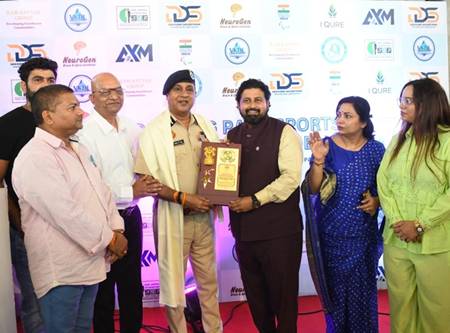
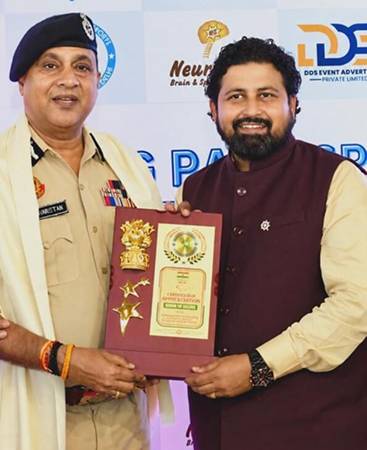
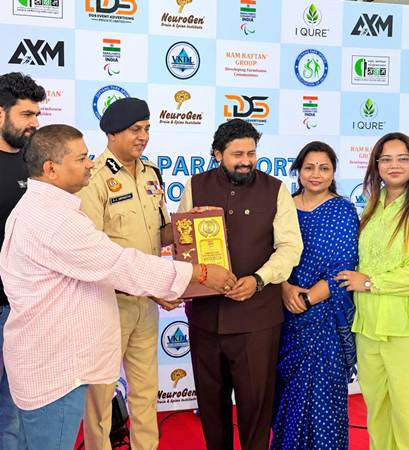
कार्यक्रम के दौरान दिल्ली के विशेष पुलिस आयुक्त देवेश चंद्र श्रीवास्तव, IPS द्वारा V. K. Dubey को विशेष रूप से सम्मानित किया गया। यह सम्मान उनके निरंतर सामाजिक कार्यों, दिव्यांग खिलाड़ियों के सहयोग तथा जनकल्याण के प्रति उनके योगदान के लिए प्रदान किया गया i V. K. Dubey एक प्रतिष्ठित कानूनी पेशेवर, व्यवसाय सलाहकार और सामाजिक कार्यकर्ता हैं, जिनकी पेशेवर उपस्थिति मुंबई, नई दिल्ली और बेंगलुरु में है। उन्होंने सिविल एवं क्रिमिनल मामलों, बैंकिंग एवं वित्तीय विवादों, Non-Performing Assets (NPA), कॉर्पोरेट सलाह, पुनर्गठन और सेटलमेंट मामलों में विशेष विशेषज्ञता विकसित की हैi
उन्होंने माननीय सर्वोच्च न्यायालय तथा विभिन्न उच्च न्यायालयों, जिनमें बॉम्बे हाई कोर्ट मुख्यतः शामिल है, के समक्ष महत्वपूर्ण मामलों में पक्षकारों का प्रतिनिधित्व किया हैi उनका पेशेवर कार्य पारंपरिक मुकदमेबाजी से आगे बढ़कर जटिल बैंकिंग, वित्तीय, औद्योगिक और distressed-asset मामलों में रणनीतिक कानूनी एवं सलाहकारी सहयोग तक विस्तृत हैi वे VKDL NPA Advisory Council तथा NPA BAZAAR PRIVATE LIMITED के चेयरमैन और शीर्ष नेतृत्व से भी जुड़े हैंi इन प्लेटफॉर्म्स के माध्यम से NPA Resolution, Financial Restructuring, One-Time Settlement (OTS), Distressed एवं Stressed Assets, Asset Reconstruction, Funding Facilitation और Business Revival से संबंधित पहलों में उनका योगदान रहा हैi
वे प्रतिष्ठित विधि फर्म V. K. Dubey Associates के संस्थापक एवं प्रमुख हैं, जो “Justice for All” के सिद्धांत पर कार्य करती है। इसके अतिरिक्त, वे VKDL Corporation LLP और United Legal से भी जुड़े हैं, जो कॉर्पोरेट, बैंकिंग, वित्तीय सेटलमेंट एवं सलाहकारी सेवाओं के क्षेत्र में विशेषज्ञ सेवाएँ प्रदान करती हैं।कानूनी क्षेत्र के साथ-साथ V. K. Dubey सार्वजनिक सेवा और सामाजिक कल्याण के प्रति भी निरंतर प्रतिबद्ध रहे हैं। वे भारत सरकार की हिंदी सलाहकार समिति के सदस्य के रूप में सेवा दे चुके हैं तथा महाराष्ट्र सरकार द्वारा नियुक्त विशेष कार्यकारी अधिकारी के रूप में भी कार्य कर चुके हैं। व्यापारिक समुदायों को जोड़ने और उनकी समस्याओं के समाधान की व्यापक दृष्टि से उन्होंने Bharat International Business Orientation (BIBO Foundation) की स्थापना की। वे Brahmin Ekta Manch Charitable Trust, Gyanoday Seva Samiti और Kumari Mamata Devi Charitable Trust सहित विभिन्न सामाजिक एवं धर्मार्थ पहलों से जुड़े हुए हैं। इन संस्थाओं के माध्यम से शिक्षा, जरूरतमंदों की सहायता, सामाजिक सशक्तिकरण, जनकल्याण और सामुदायिक विकास से संबंधित विभिन्न कार्यक्रम संचालित किए जाते हैं।
वे गौ संरक्षण, शिक्षा, आर्थिक रूप से कमजोर वर्गों की सहायता तथा व्यापक सामाजिक उत्थान से जुड़े कार्यों में भी सक्रिय रहे हैं। उनका सामाजिक दृष्टिकोण समाज के वंचित और जरूरतमंद वर्गों के लिए सम्मान, अवसर और सशक्तिकरण सुनिश्चित करने पर केंद्रित है।
उनके सामाजिक एवं व्यावसायिक योगदान को राष्ट्रीय और अंतरराष्ट्रीय स्तर पर भी सम्मान प्राप्त हुआ है, जिनमें लंदन में आयोजित 2nd International Bar & Bench Badminton Championship में विशेष सम्मान तथा प्रतिष्ठित “Popular Civilian Icon of India Award” शामिल हैं।
V.K. Dubey का मानना है कि न्याय केवल संसाधन-संपन्न लोगों तक सीमित नहीं रहना चाहिए, बल्कि समाज के सबसे वंचित और कमजोर वर्गों तक भी पहुँचना चाहिए। कानूनी सहायता, जन-जागरूकता, सामाजिक सशक्तिकरण और सामुदायिक पहलों के माध्यम से वे न्याय और अवसरों को अधिक सुलभ बनाने की दिशा में कार्य कर रहे हैं।
दिव्यांग पैरा खिलाड़ियों के सशक्तिकरण के लिए निरंतर प्रयास
V.K. Dubey लंबे समय से Divyang Para Sports Association of Delhi से जुड़े हुए हैं और दिव्यांग खिलाड़ियों के विकास, सशक्तिकरण एवं कल्याण के लिए सक्रिय रूप से कार्य कर रहे हैं।
उन्होंने पैरा खिलाड़ियों के लिए विभिन्न खेल कार्यक्रमों, जागरूकता अभियानों और सामुदायिक आयोजनों के आयोजन एवं सहयोग के माध्यम से उनकी प्रतिभा को प्रोत्साहित करने तथा उन्हें अधिक अवसर उपलब्ध कराने का प्रयास किया हैi दिव्यांग खिलाड़ियों के प्रति उनका यह समर्पण उनके सामाजिक सेवा कार्यों से भी जुड़ा हुआ है। अपनी दिवंगत बहन कुमारी ममता देवी की स्मृति में स्थापित Kumari Mamata Devi Charitable Trust के माध्यम से उन्होंने पूर्व में भी Para Athletics तथा दिव्यांग खिलाड़ियों के कल्याण एवं सशक्तिकरण से जुड़े कार्यक्रमों का आयोजन एवं सहयोग किया है।
जन्मदिवस पर सेवा और सशक्तिकरण का संकल्प:
अपने जन्मदिवस को V. K. Dubey ने केवल व्यक्तिगत उत्सव के रूप में नहीं, बल्कि सेवा और सामाजिक प्रतिबद्धता के अवसर के रूप में मनाया।इसी भावना के तहत उन्होंने Divyang Para Sports Association of Delhi के सहयोग से 4th Delhi State Para Swimming Championship 2026 को प्रायोजित एवं सहयोग प्रदान किया और दिव्यांग खिलाड़ियों की गरिमा, सशक्तिकरण, विकास एवं उन्नति के लिए निरंतर कार्य करते रहने का पुनः संकल्प लिया i उन्होंने आश्वासन दिया कि VKDL Group और उससे जुड़ी सामाजिक पहलें भविष्य में भी दिव्यांग खिलाड़ियों को निरंतर सहयोग प्रदान करती रहेंगी, ताकि उन्हें अपनी प्रतिभा विकसित करने, अपने खेल के सपनों को पूरा करने और देश एवं समाज का गौरव बढ़ाने के लिए बेहतर अवसर मिल सकें।
V.K. Dubey के लिए दिव्यांग खिलाड़ियों का समर्थन केवल किसी एक कार्यक्रम तक सीमित पहल नहीं है, बल्कि यह समावेशी विकास, समान अवसर और सामाजिक सशक्तिकरण के प्रति उनकी व्यापक प्रतिबद्धता का हिस्सा है।
दिव्यांग खिलाड़ियों के लिए उनका संदेश है:
“आपकी क्षमता आपकी किसी भी सीमा से कहीं अधिक बड़ी है। आत्मविश्वास के साथ सपने देखिए, दृढ़ संकल्प के साथ मेहनत कीजिए और निरंतर आगे बढ़ते रहिए। आपकी सफलता पूरे देश के लिए प्रेरणा है।”
मुंबई कार्यालय में जन्मदिवस की शुभकामनाएँ एवं बधाइयाँ :
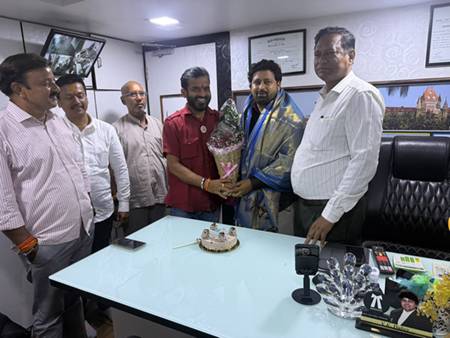
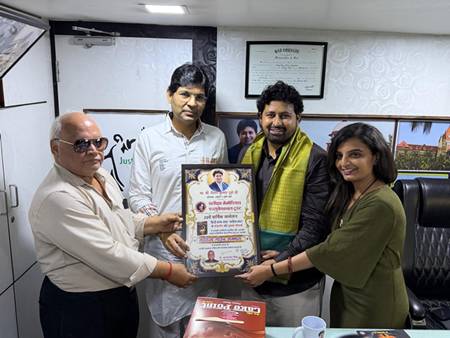
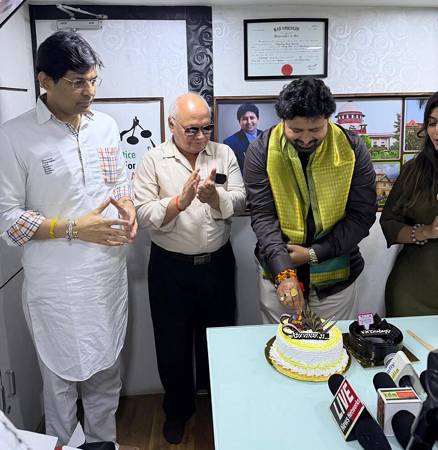
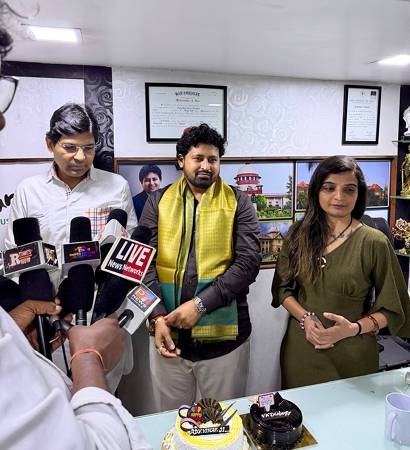
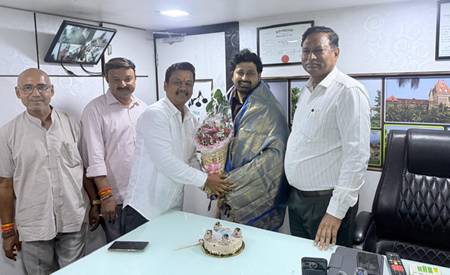
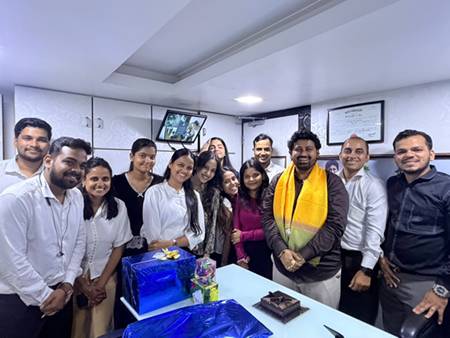
पैरा स्विमिंग चैंपियनशिप के सफल आयोजन और दिव्यांग खिलाड़ियों के सशक्तिकरण के प्रति उनके निरंतर प्रयासों के बाद V. K. Dubey को मुंबई स्थित उनके कार्यालय में भी शुभचिंतकों, सहयोगियों, पेशेवरों, मित्रों तथा सामाजिक एवं व्यावसायिक क्षेत्र से जुड़े लोगों ने बधाई एवं शुभकामनाएँ दीं i
इस अवसर पर भारतीय जानता पार्टी BJP प्रवक्ता डॉ. योगेश दुबे, प्रसिद्ध समाजसेवी मिथिलेश मिश्रा, कृपाशंकर मिश्रा और धनंजय चव्हाण सहित अनेक लोगों ने उनके कार्यालय पहुँचकर चैंपियनशिप की सफलता पर उन्हें बधाई दी तथा जन्मदिवस की हार्दिक शुभकामनाएँ प्रेषित कीं i
इस आत्मीय मिलन ने उनके पेशेवर कार्यों, सामाजिक पहलों और दिव्यांग खिलाड़ियों तथा विभिन्न जनकल्याणकारी कार्यों के प्रति निरंतर योगदान के कारण प्राप्त स्नेह, सम्मान और सद्भावना को प्रदर्शित किया i
उपस्थित लोगों ने अपने जन्मदिवस को एक सार्थक सामाजिक उद्देश्य के लिए समर्पित करने के उनके निर्णय की सराहना की और दिव्यांग खिलाड़ियों के सहयोग, सशक्तिकरण एवं प्रोत्साहन के प्रति उनकी प्रतिबद्धता को पुनः दोहराने के लिए उन्हें बधाई दी।
V.K. Dubey ने सभी शुभचिंतकों, मित्रों, सहयोगियों और समाज के लोगों द्वारा दिए गए स्नेह, शुभकामनाओं एवं आशीर्वाद के लिए हृदय से आभार व्यक्त किया। उन्होंने कहा कि लोगों का यह स्नेह और प्रोत्साहन उन्हें सामाजिक कल्याण, समावेशी विकास और जनसेवा के क्षेत्र में निरंतर कार्य करने की और अधिक प्रेरणा एवं शक्ति प्रदान करता है।
4th Delhi State Para Swimming Championship 2026 का समापन दिव्यांग खिलाड़ियों की प्रतिस्पर्धात्मक खेलों में भागीदारी को और मजबूत करने तथा दिल्ली के पैरा तैराकों को आगामी राष्ट्रीय स्तर की प्रतियोगिताओं के लिए तैयार करने के संकल्प के साथ हुआ i
4th Delhi State Para Swimming Championship में VKDL Group के चेयरमैन V. K. Dubey सम्मानित; जन्मदिवस पर दिव्यांगजनों की सेवा एवं सशक्तिकरण का लिया पुनः संकल्प